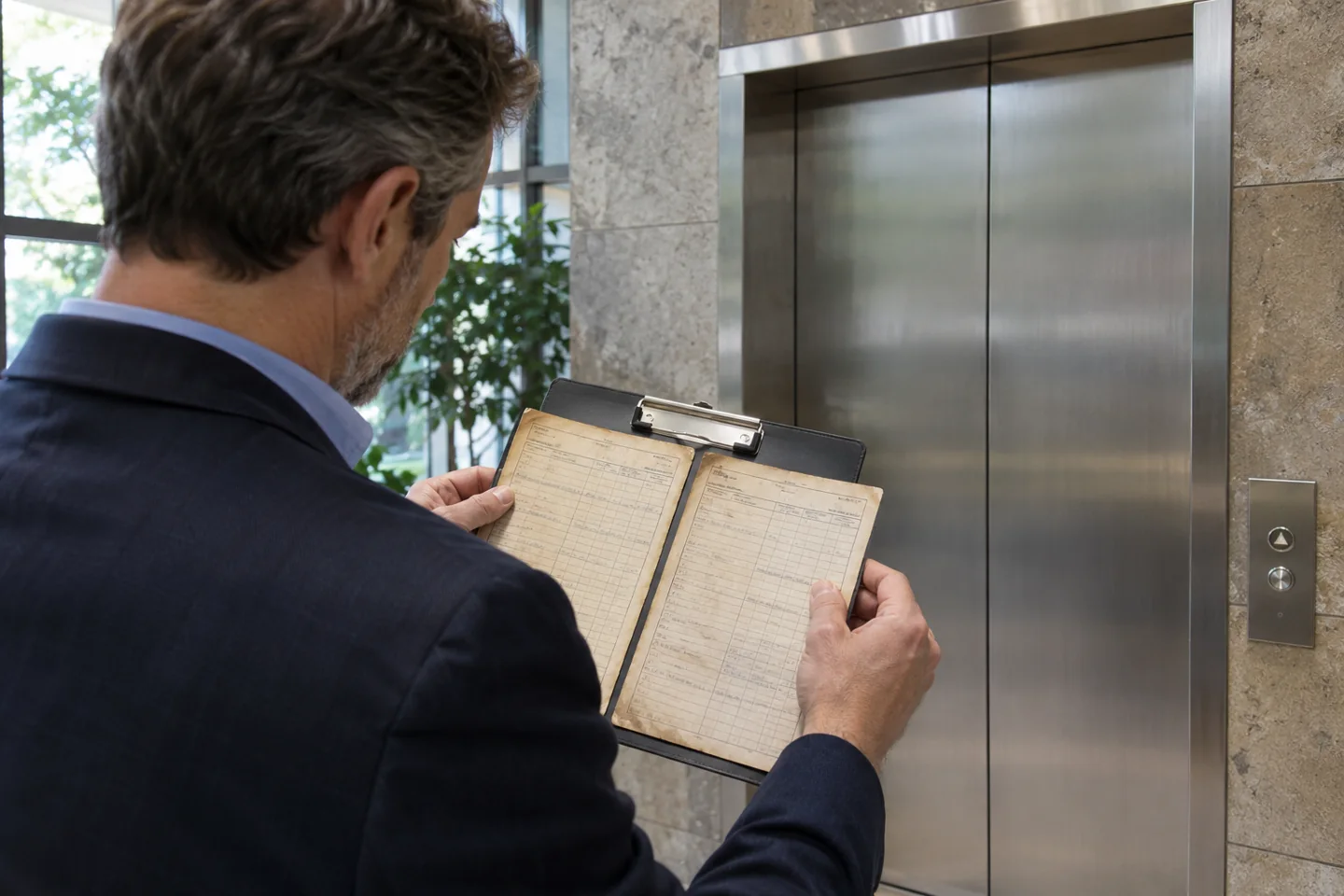
When a lift stops again soon after a repair, the next step should be a review of the complaint history. Ordering another part immediately can leave the owner paying for work without a clear explanation of what changed or why the fault returned.
Put the incidents in order
A useful request for lift repair in DHA Karachi starts with a timeline. Record the first reported symptom, the date of each attendance, the work documented and when the complaint reappeared. If different people reported the incidents, establish whether they were using the same lift and describing the same behaviour.
Use the wording of the original observation. “Door reopened twice at the ground floor” is different from “lift would not respond”. Both may arrive in a family message group as “lift not working”, hiding a distinction the technician needs.
Ask what the previous repair established
Request the earlier finding, not just the invoice. Which fault was identified? What work was carried out? What checks were recorded? Were any recommendations left open because they were outside the approved scope? These questions help distinguish an incomplete action, a new fault and an unresolved diagnosis.
Do not assume every recurrence is covered by a previous warranty, or that it is automatically a different chargeable job. Compare the actual work and written terms, and ask the provider to explain its position before approving the next scope.
Arrange a review rather than repeated resets
Give the service team the complete timeline and ask what assessment is proposed. Avoid having several contractors alter the equipment independently without a coordinated record. It becomes harder to understand the starting condition when settings or components change between undocumented visits.
Household or building staff should not reset equipment repeatedly, operate restricted controls or reproduce a potentially unsafe fault with passengers. If ordinary use is unsafe, follow the site's restriction and reporting arrangements until the responsible professional advises otherwise.
Separate diagnosis from the spending decision
| Question | Evidence to request |
|---|---|
| Is this the same complaint? | Incident description and comparison with previous findings. |
| What is now established? | Recorded assessment and any remaining uncertainty. |
| What is being proposed? | Work scope, compatible parts and completion checks. |
| What happens if it returns? | Reporting route and applicable written repair terms. |
Close the complaint against the original symptom
After an authorised return to service, keep any new report linked to the same history. Record the outcome without announcing a permanent cure after a single journey. A useful repair record lets the next assessment begin with evidence instead of starting the conversation again.
For a DHA property, Shinkai can discuss lift fault assessment and repair. The enquiry should describe the recurring issue; it does not need to guess the failed component.