Explain what the building wants to change
A lift can look dated without that observation identifying a mechanical fault. It can also look attractive while users continue reporting door or ride complaints. Start a refurbishment enquiry by separating appearance concerns from operational symptoms and list both where they coexist.
For the visual brief, describe worn surfaces, damaged panels, lighting preferences and the desired appearance. For an operational concern, record what users observed and when. Ask the service team to assess the equipment rather than assume that a new cabin finish will resolve a complaint about how the lift operates.
Choose finishes after the installation is reviewed
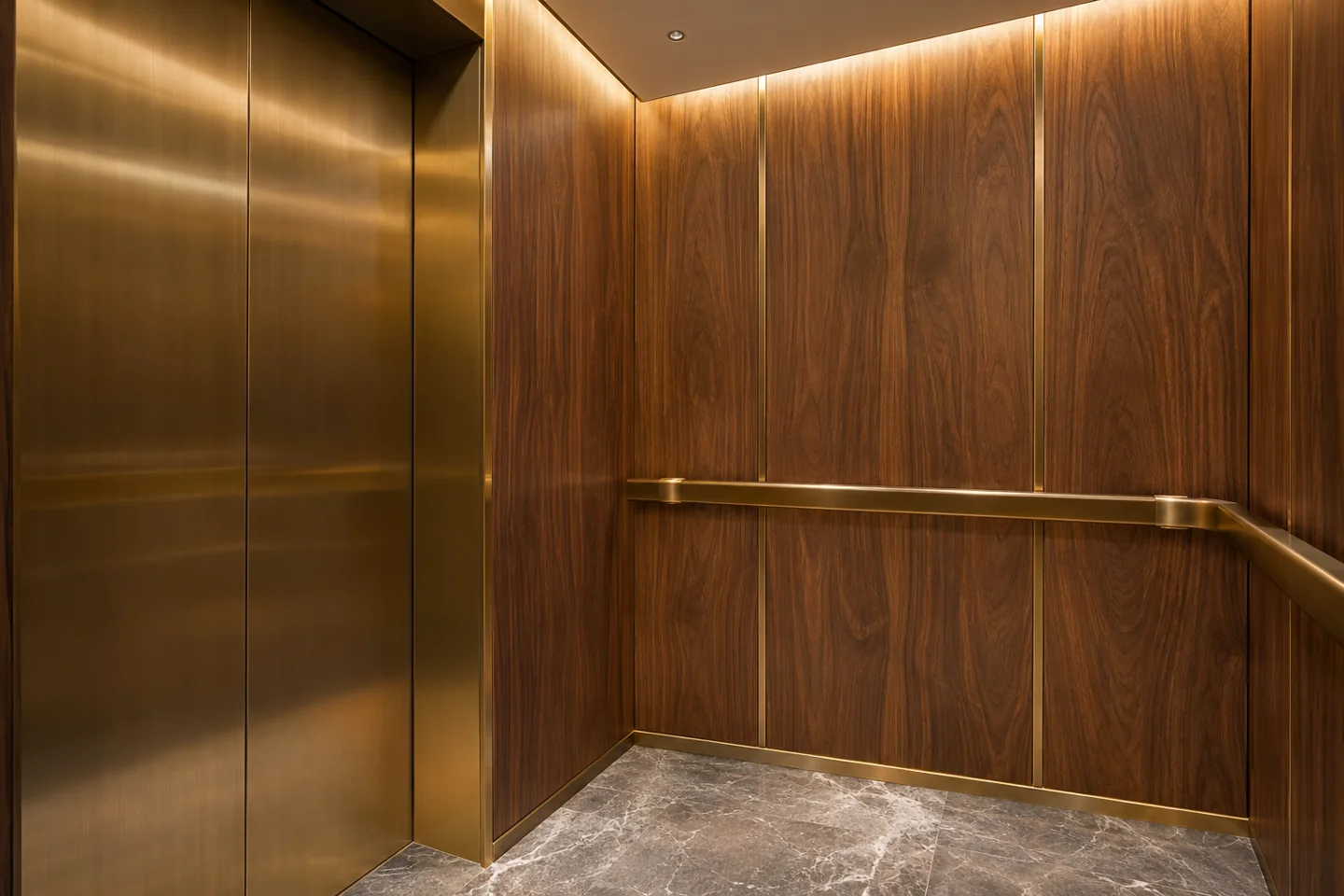
Bring reference images to communicate a direction, but do not treat a photograph as a specification. The proposed materials, dimensions, added weight and compatibility with the existing installation need review by the responsible lift professionals. Confirm the exact product and finish offered before approving procurement.
Ask how the cabin will be measured, what samples or drawings you will review and which approvals are needed before manufacture or installation. Avoid ordering decorative components independently and expecting the installer to make them fit an unassessed system.
Write down what is included and what is separate
A useful quotation distinguishes decorative finishes from proposed work to lighting, controls, doors or other equipment. It should identify removal, installation, protection, making good and disposal responsibilities where relevant. Get exclusions stated clearly enough that owners can understand what remains unchanged.
If the assessment recommends mechanical or control-system work, ask for it as an identifiable scope with its own explanation. That allows the building to consider appearance, reliability and longer-term renewal without comparing unlike offers. A lower decoration price is not evidence that a broader modernisation proposal is unnecessary.
Agree disruption, review and completion records
Discuss when the lift will be unavailable, which parts of the building are affected and how management will communicate changes. Ask the provider what checks and completion records apply to the agreed work. Estimated dates should identify dependencies such as material approval and availability.
At completion, compare the delivered finish and documented scope with the accepted proposal. Record outstanding items, product-care information and the written terms that apply. Keep the refurbishment record with the lift’s service documents so future providers know which changes were made and which equipment was not part of the project.