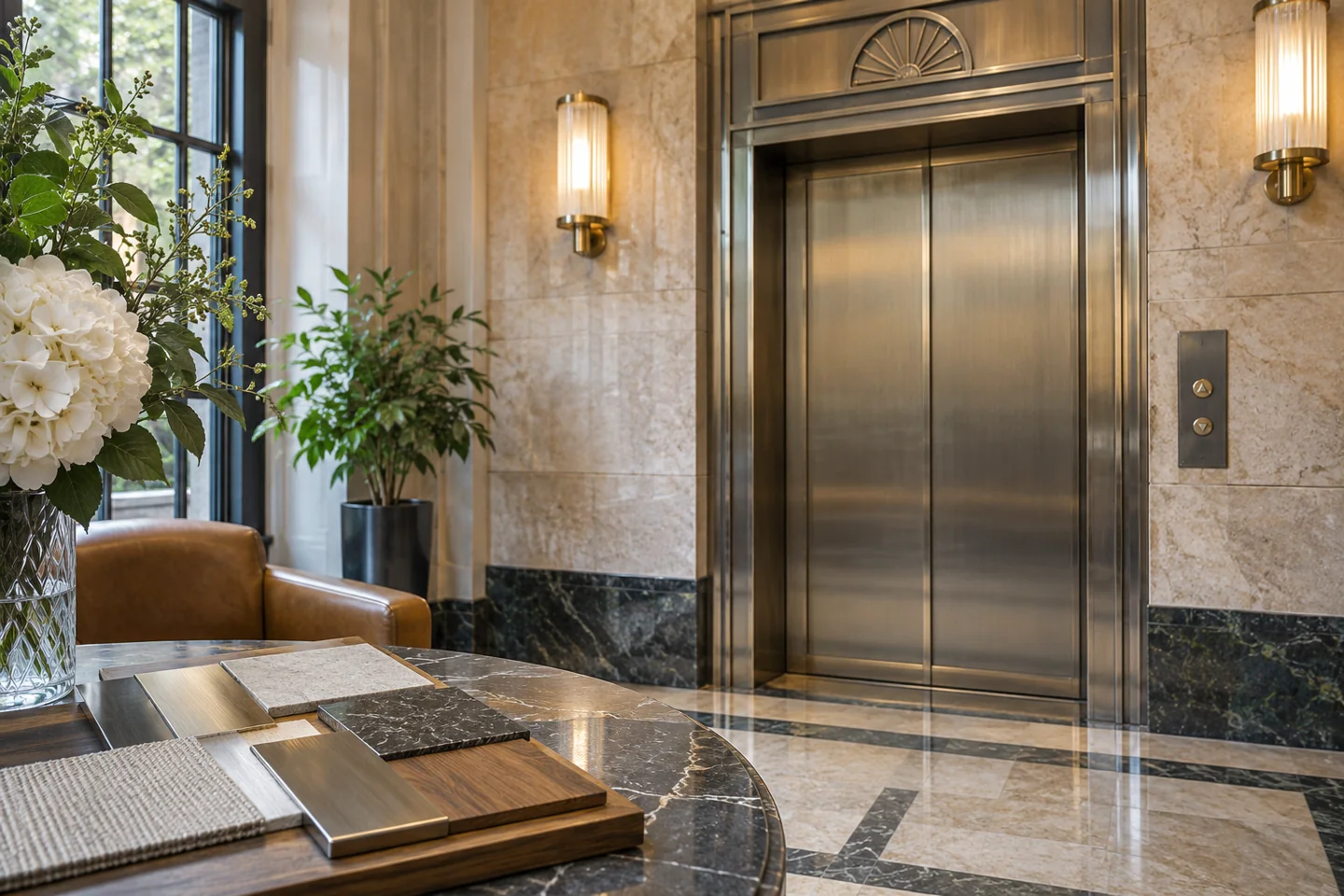
A lift’s age starts a conversation; it does not settle the investment decision. Building managers need to understand the present condition, the recurring problems and what each proposed option will actually change.
Build an equipment history
Bring together service reports, fault call-outs, replacement records and outstanding recommendations. Separate repeated instances of the same complaint from unrelated faults. Record downtime and its effect on the building, particularly where there is only one lift or an occupant depends on it for access.
Ask the provider to explain the diagnosed condition of the relevant systems and the evidence supporting the proposed action. A photograph of an old component or a broad claim that new equipment is better is not a complete investment case.
Compare three defined options
| Option | Question to resolve |
|---|---|
| Targeted repair | Can a specific fault be corrected with supported, compatible components? |
| Partial modernisation | Which systems change, which remain and how will their interfaces be verified? |
| Replacement | What broader building work, shutdown and long-term support does it require? |
Modernisation can involve selected systems rather than a complete new installation. The written proposal must identify retained equipment, compatibility responsibilities and acceptance checks. Do not assume a modernised controller makes every other component new.
Compare the full project cost
Include enabling work, power changes, transport, disposal, finishes, professional assessments and maintenance obligations where relevant. Ask what would trigger a variation. Separate an essential corrective scope from optional improvements to appearance or user features.
Use realistic assumptions for future repair spending. A supplier’s estimated savings are a projection, not a guaranteed result. If energy savings matter, request the calculation method and the usage assumptions rather than comparing motor ratings alone.
Plan the building impact
Request a shutdown sequence, dependencies, expected access restrictions and handover requirements. Agree an occupant communication plan and alternatives during the work. A shorter advertised installation period may exclude procurement and enabling works.
For a Karachi assessment, send Shinkai the service history and your main objective: resolving repeat faults, improving supportability or changing the passenger experience. Ask for an options comparison with a clear recommendation, limitations and scope.